Tired of Checking Tracking Numbers? These Package Tracking Apps Make Life Easier in 2026
We've all done it.
You order something online, get the tracking number, and then spend the next few days refreshing carrier websites like somehow the package will move faster if you check often enough.
A shipment from Amazon is arriving tomorrow. A pair of shoes from a boutique store is somewhere in transit. That gadget you ordered from overseas? Good luck remembering which carrier has it.
Before long, your inbox is full of shipping confirmations, your browser has five tracking tabs open, and you're wondering where half your orders even are.
That's exactly why package-tracking apps have become so popular. Instead of bouncing between carrier websites, these apps pull everything into one place and keep you updated automatically.
After testing the leading options available in 2026, three apps consistently stood out.
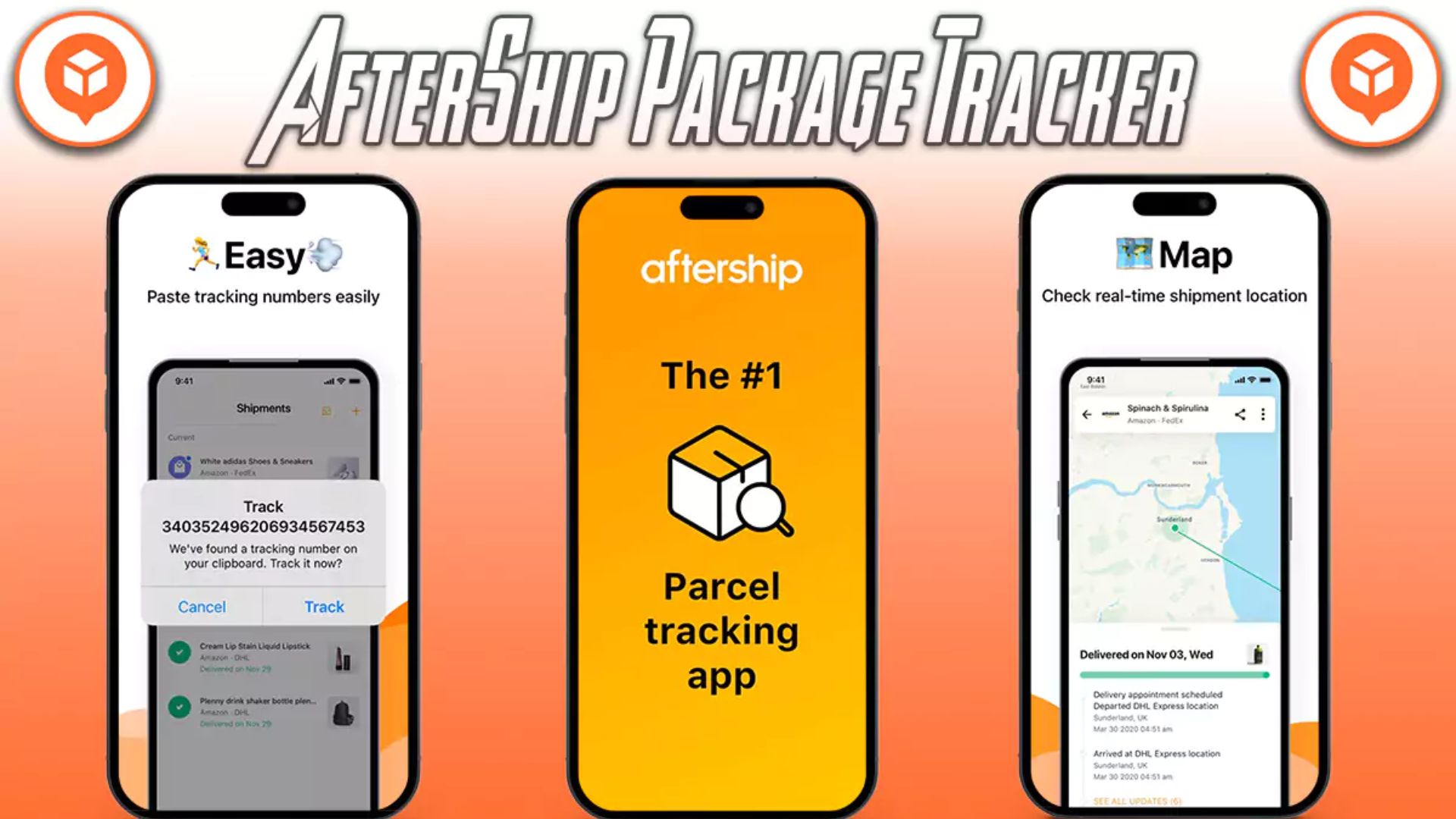
1. AfterShip (iOS & Android)
If package tracking were a competitive sport, AfterShip would be one of the top seeds.
What makes it so useful is how little effort it requires. Drop in a tracking number, and the app usually figures out the carrier on its own. No guessing whether it's coming through UPS, FedEx, USPS, DHL, or some international shipping partner you've never heard of.
Once connected, updates arrive automatically.
A package leaves a sorting facility? You'll know.
Out for delivery? You'll know.
Delivered to your doorstep? You'll definitely know.
The platform supports an enormous number of carriers worldwide, making it particularly useful if you shop from a mix of domestic and international retailers.
What stands out:
Supports a huge range of global carriers
Automatic carrier recognition
Fast, reliable shipment updates
Clean interface without unnecessary clutter
A few limitations:
Some advanced features are designed more for businesses than everyday shoppers
Power users may notice certain premium tools aren't included in the consumer experience
For people who buy from lots of different stores, AfterShip is one of the easiest recommendations to make.
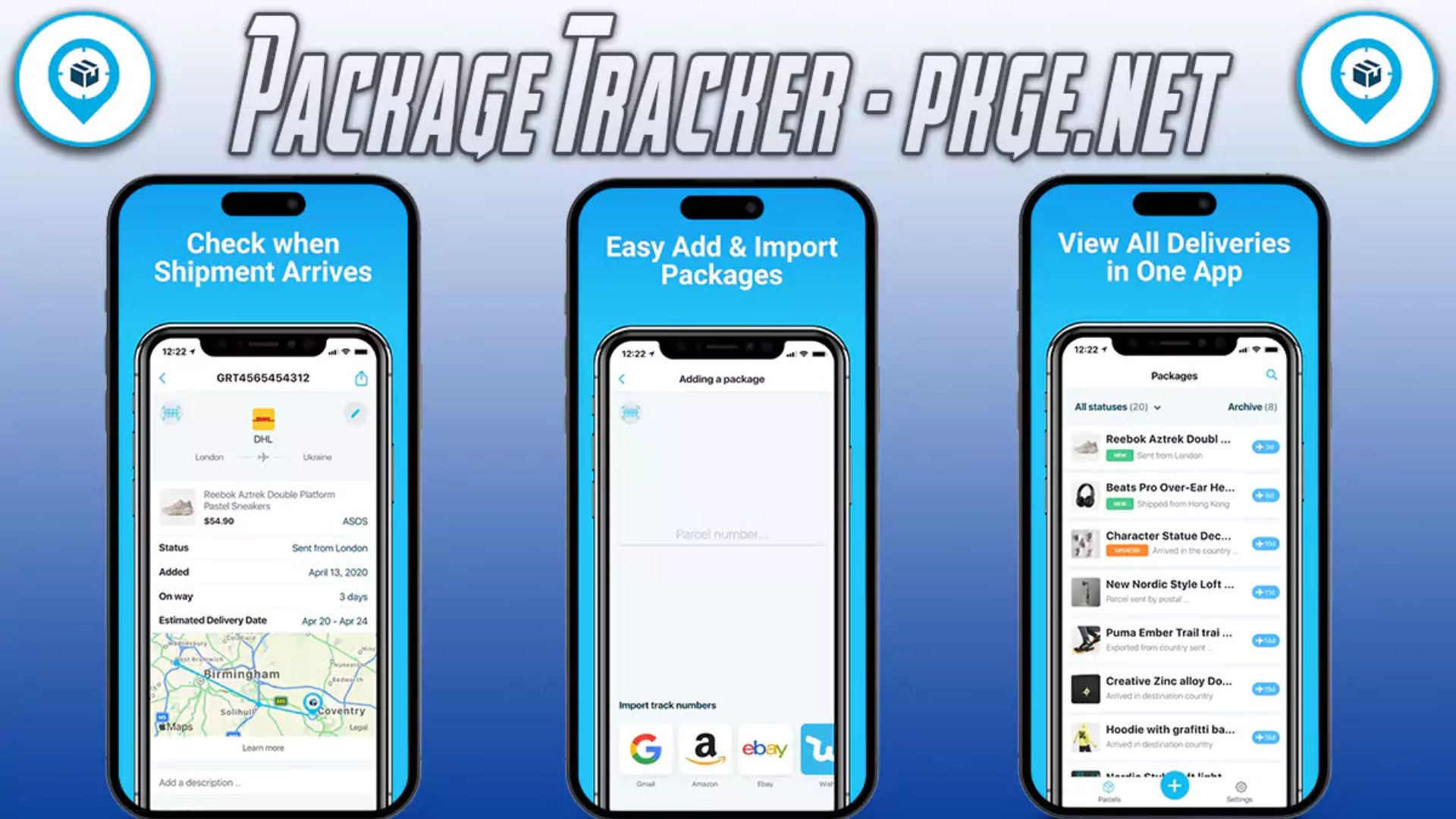
2. Shop (iOS & Android)
Shop approaches package tracking a little differently.
Instead of acting purely as a tracking utility, it tries to become the central hub for your online shopping activity.
The biggest advantage is automation. If you use the same email address when making purchases, Shop can often detect orders directly from confirmation emails and add them automatically. No copying. No pasting. No hunting down tracking numbers.
It also presents shipment progress in a way that feels polished and easy to follow. The visual maps and status updates make it much easier to answer the question everyone asks after placing an order:
"Where is my package right now?"
For expensive purchases, that visibility can be surprisingly reassuring.
What stands out:
Beautiful, easy-to-use interface
Automatic order syncing
Excellent order-history management
Strong integration with Shopify-powered stores
A few limitations:
May feel oversized if all you need is basic tracking
Delivers the most value for frequent Shopify shoppers
If a large portion of your online shopping happens through independent brands and Shopify stores, Shop can save a surprising amount of time.
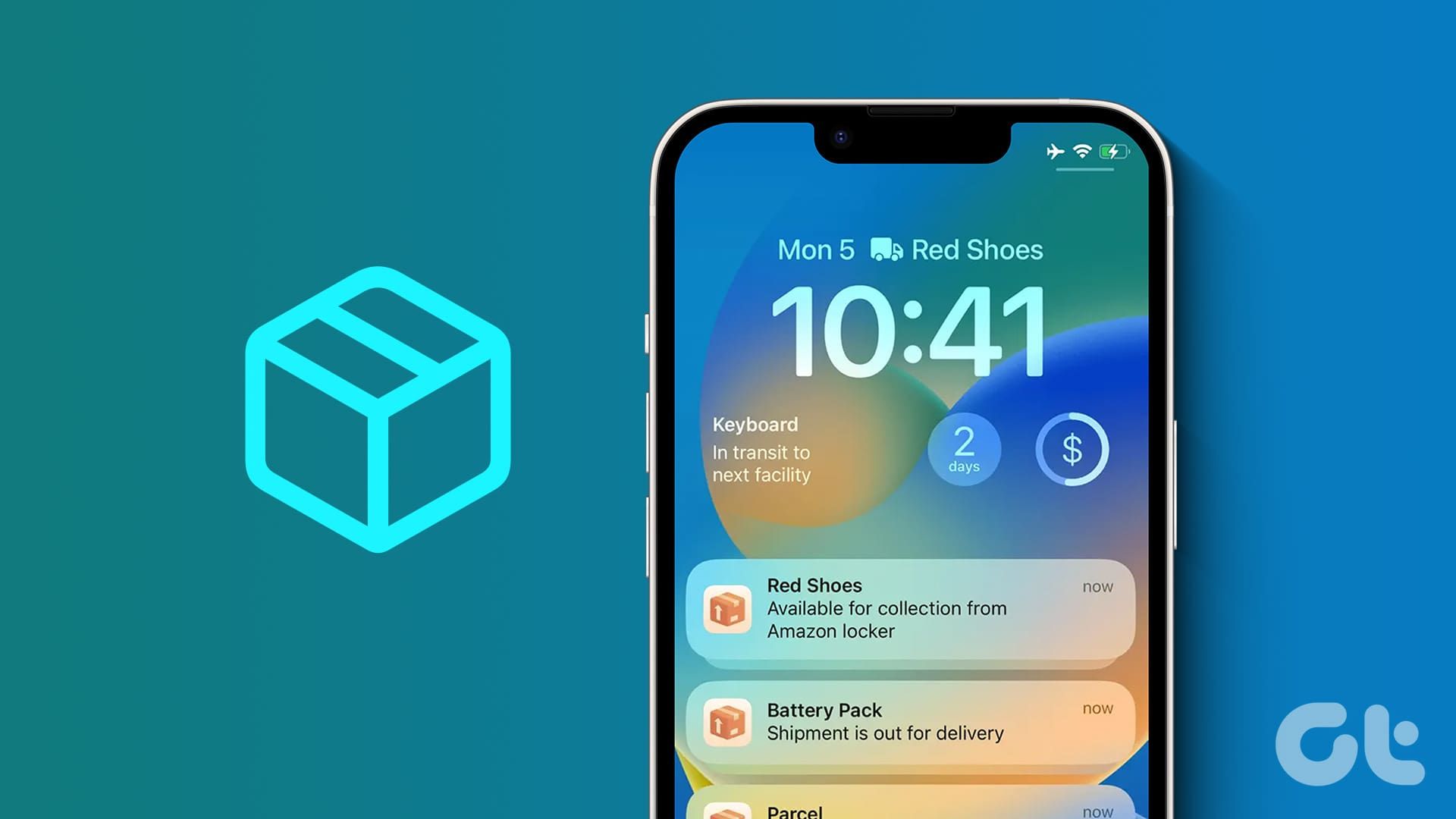
3. Route (iOS & Android)
Route focuses less on raw tracking data and more on confidence.
The app turns package tracking into something visual and intuitive. Rather than showing a stream of logistics updates and shipping codes, Route displays your package's journey on an interactive map.
That might sound like a small difference, but it makes the entire process feel much more transparent.
Where Route really separates itself, though, is protection.
Its Route+ service helps simplify the process of filing claims for packages that arrive damaged, disappear in transit, or never show up at all. Anyone who's spent hours arguing with a retailer or shipping carrier knows how valuable that can be.
What stands out:
Interactive map-based tracking
Helpful protection and claims options
Proactive delivery notifications
Strong focus on shipment transparency
A few limitations:
Extra protection features typically come at an additional cost
Most useful when ordering from merchants that support the Route platform
For shoppers who frequently buy electronics, collectibles, or other expensive items, the added peace of mind can be worth it.
Which App Should You Choose?
The right choice depends largely on how—and where—you shop.
Shop from all kinds of retailers?
Go with AfterShip. Its ability to recognize and track shipments across a massive range of carriers makes it one of the most versatile options available.
Buy frequently from Shopify-powered brands?
Choose Shop. The automatic syncing alone can eliminate most of the manual work involved in package tracking.
Often order high-ticket items?
Consider Route. The combination of visual tracking and streamlined claims support provides an extra layer of reassurance when expensive purchases are involved.
One Simple Privacy Tip
Many tracking apps offer the option to connect directly to your email account so they can automatically detect purchases.
Convenient? Absolutely.
But if you're someone who likes to keep personal and shopping activity separate, consider creating a dedicated email address just for online orders.
That way, shipping notifications stay organized, your primary inbox stays cleaner, and all of your delivery information remains neatly centralized without mixing with work or personal messages.
One less thing to keep track of.
And honestly, isn't that the whole point?
So what's your current system? Are you still searching through old emails every time you need a tracking number, or have you finally handed the job over to a package-tracking app?