Stop Starting Over: The Best Apps for Reaching Long-Term Savings Goals in 2026
Most people don't fail at saving because they can't do the math.
They fail because life gets in the way.
A few months into a savings goal, motivation fades. An unexpected expense pops up. A vacation sounds more exciting than adding another few hundred dollars to a fund you'll barely touch for years. Before long, that ambitious goal—whether it's a home down payment, early retirement, or a dream trip abroad—gets pushed into the background.
Sound familiar?
The challenge with long-term saving isn't opening the account. It's staying committed long after the excitement wears off.
That's why the right financial app can make such a difference.
A good savings app doesn't just track numbers. It keeps your future visible. It reminds you why you're making sacrifices today. Most importantly, it helps turn a distant goal into something that feels tangible and achievable.
After looking at the strongest options available in 2026, three platforms stand out for very different reasons.
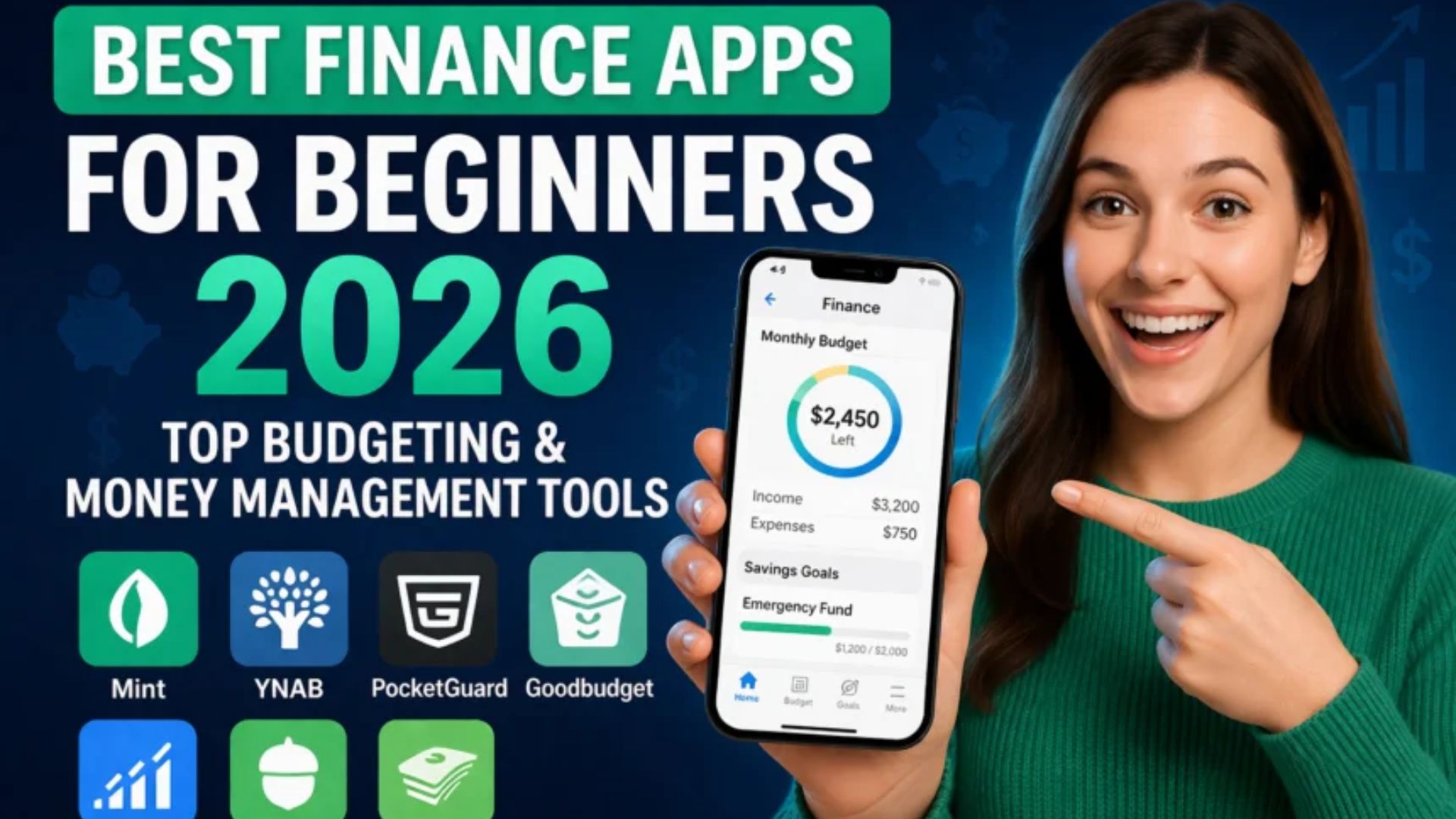
1. YNAB (You Need A Budget)
Some budgeting apps help you monitor your money.
YNAB changes how you think about it.
Its entire philosophy revolves around one simple principle: every dollar should have a purpose before you spend it.
At first, that sounds restrictive.
For many users, it ends up being liberating.
Why It Works for Long-Term Goals
Let's say you're saving for a $15,000 home down payment or a two-month sabbatical in Europe.
With YNAB, that goal isn't some vague future aspiration sitting in the back of your mind. It becomes a dedicated category in your budget.
Every paycheck forces a decision.
How much goes toward that future version of yourself?
Over time, something interesting happens. Saving stops feeling optional. It starts feeling as routine as paying your electric bill.
What You'll Like
Excellent for changing spending habits
Encourages intentional decision-making
Keeps long-term goals front and center
Reduces the temptation to spend savings impulsively
Where It Can Be Challenging
YNAB asks for involvement.
If you're looking for a "set it and forget it" experience, this probably isn't it. There's also a learning curve, and some users find the subscription fee difficult to justify initially.
That said, many loyal users would argue the money they save easily covers the cost.
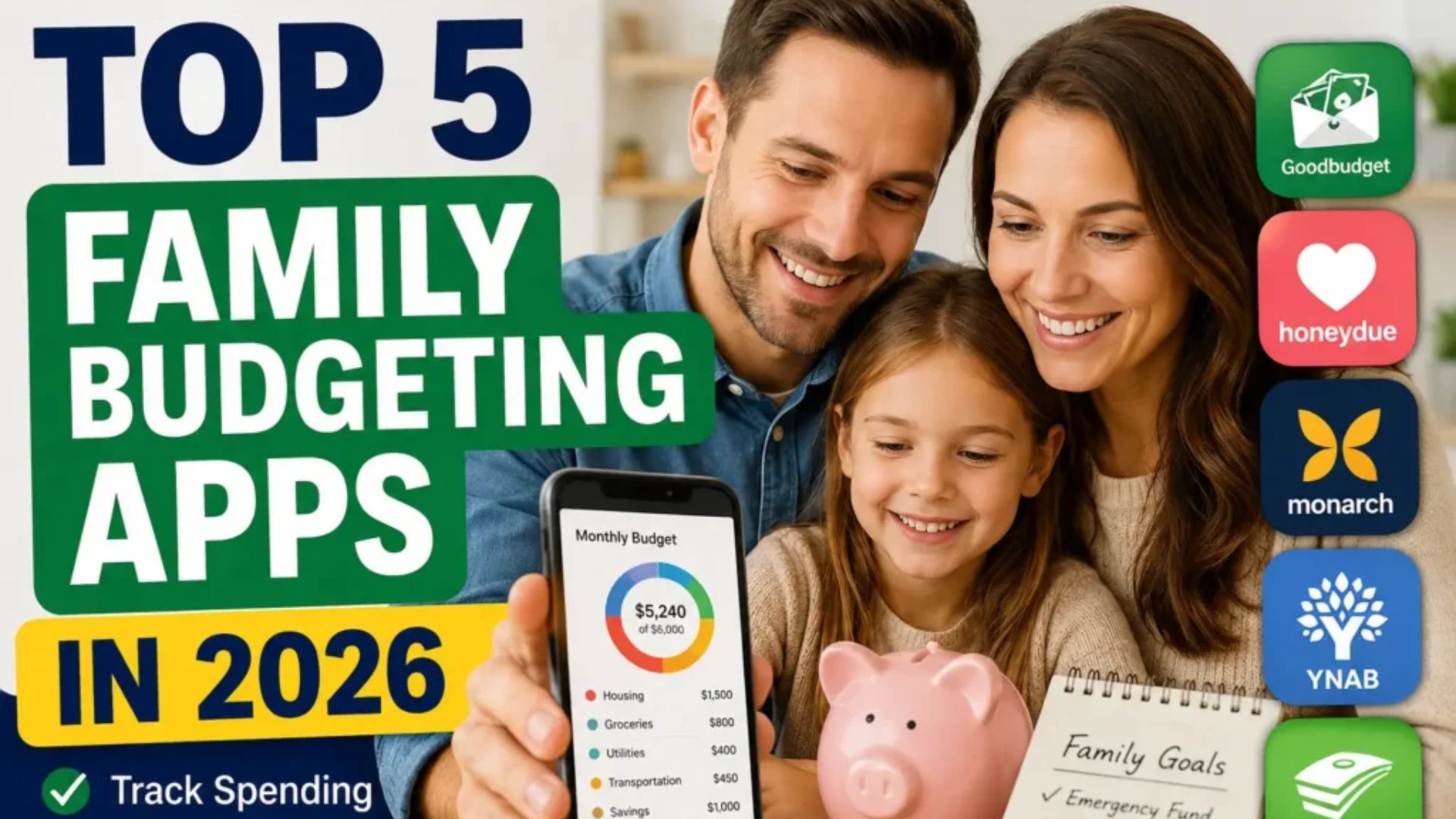
2. Monarch Money
If YNAB feels like sitting down with a detailed financial planner every week, Monarch feels more like stepping into a modern financial command center.
Everything is connected.
Everything is visible.
And perhaps most importantly, everything updates automatically.
Why It Works for Long-Term Goals
One of the hardest parts of saving is maintaining momentum when progress feels slow.
Monarch tackles that problem beautifully.
Because it syncs your accounts, investments, debts, and savings balances automatically, you can see your overall financial picture evolve without constantly entering transactions by hand.
Its forecasting tools are especially powerful.
Instead of asking, "How am I doing?" you can start asking, "When will I get there?"
Watching a projected timeline move closer to your target date can be surprisingly motivating.
What You'll Like
Attractive, easy-to-understand dashboards
Strong automation
Excellent net-worth tracking
Useful forecasting and goal projections
Great for seeing the bigger financial picture
Where It Can Be Challenging
Monarch isn't free.
And for someone who simply wants a basic savings tracker, the amount of information available can initially feel overwhelming.
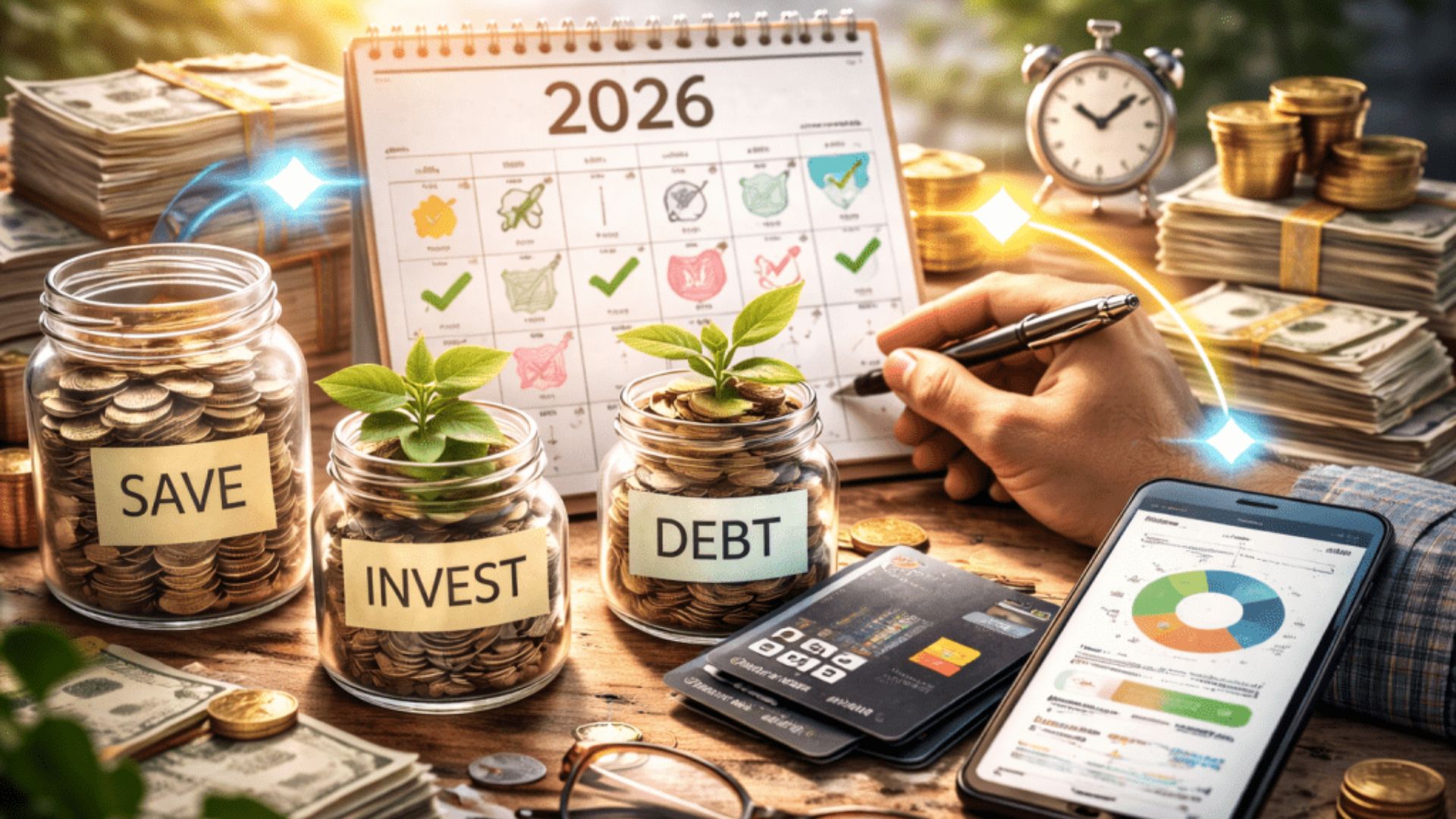
3. Goodbudget
Not every successful budgeting method needs sophisticated forecasting models or advanced analytics.
Sometimes simple works.
Really simple.
Goodbudget is built around the classic envelope budgeting system—a method people have used successfully for decades.
The concept is straightforward: assign money to different categories and resist spending beyond what's available in each one.
Why It Works for Long-Term Goals
The visual nature of the app is what makes it effective.
Imagine creating a virtual envelope labeled "New Car Fund."
Every contribution makes that envelope grow. Every withdrawal is immediately visible.
That separation creates a powerful psychological barrier.
When money for your future goal sits in its own clearly defined space, you're much less likely to raid it for impulse purchases or short-term wants.
What You'll Like
Easy to understand
Excellent for visual thinkers
Strong free version
Helpful for couples managing goals together
Keeps savings funds clearly separated
Where It Can Be Challenging
Goodbudget leans more heavily on manual input than some modern competitors.
If you prefer complete automation, entering transactions yourself may eventually feel repetitive.
Which App Is Right for You?
The answer has less to do with features and more to do with your personality.
Choose YNAB if your biggest obstacle is spending discipline. If money tends to disappear before it reaches your savings account, YNAB's structured approach can be a game changer.
Choose Monarch Money if you're already financially organized and want a comprehensive view of your future. It's ideal for people who enjoy seeing how their savings, investments, and overall net worth fit together.
Choose Goodbudget if visual organization motivates you. The envelope system remains popular because it works, and Goodbudget modernizes it without overcomplicating the process.
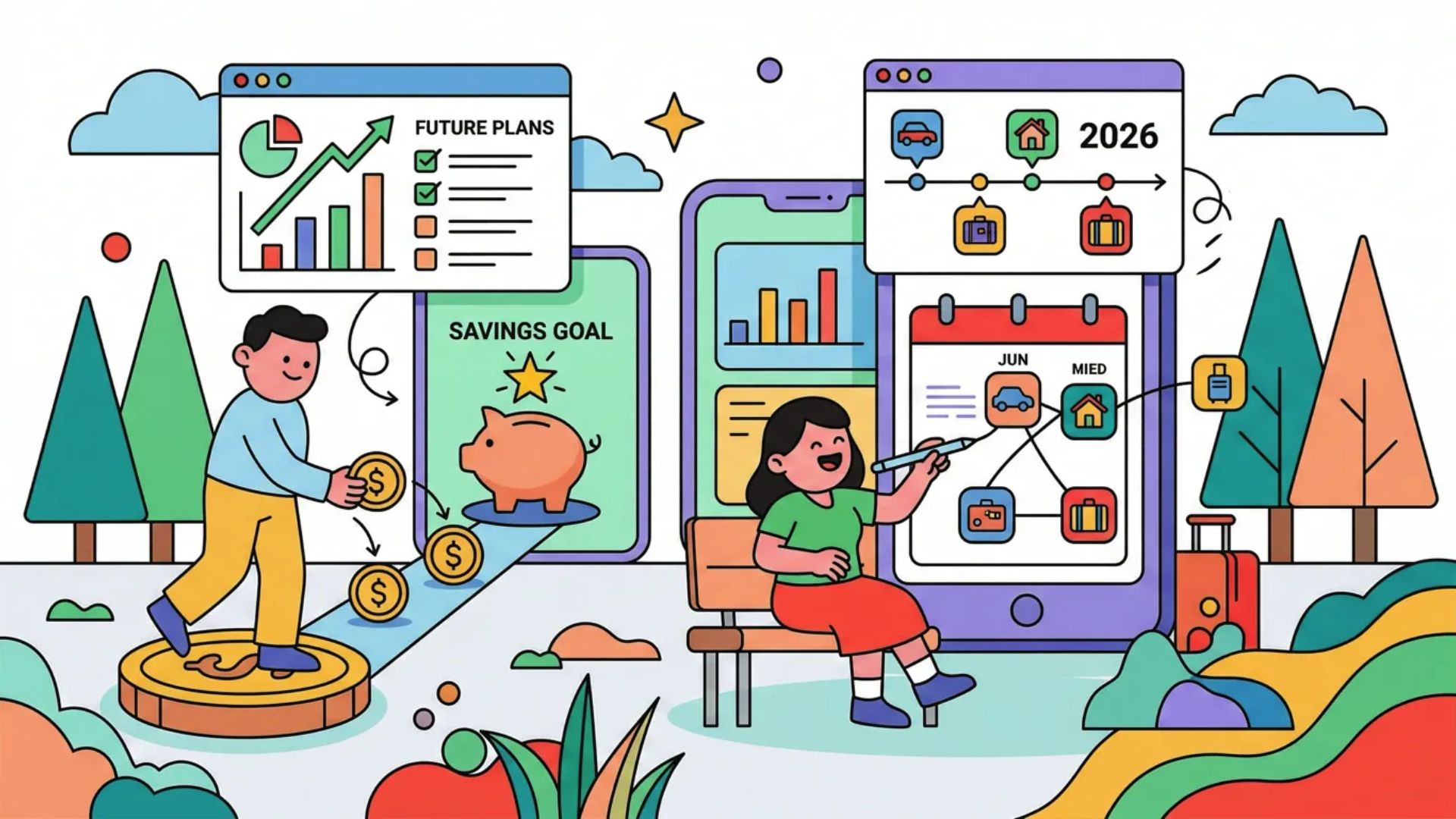
The Secret Most Successful Savers Learn
The best savings app isn't necessarily the one with the most features.
It's the one that keeps your goal emotionally real.
Because saving for something three years away is difficult. Saving for a house where you can picture yourself drinking coffee on a Sunday morning? That's easier.
Saving for retirement sounds abstract. Saving for the freedom to choose how you spend your time decades from now feels different.
The numbers matter.
The software matters.
But motivation matters more.
Find the app that makes you want to open it, check your progress, and keep going—even on the weeks when the finish line still feels far away.
Those small check-ins compound just like money does.
And over time, that's how big goals get funded.